Moving the
Masses.
Public transit is the lifeblood of our city. It connects communities, drives the economy, and protects our environment. Yet, it's under immense pressure.
233M
Transit trips across Metro Vancouver in 2023.
430K
Unique customers relying on transit every single weekday.
75%
Of students commute to campus via sustainable transit.
The Transit Crisis
Without intervention, our transit networks face unprecedented strain.
Financial Strain
Rising costs and severely limited funding make it impossible for TransLink to maintain frequent, reliable service across the lower mainland.
Impact on Schools
Fewer buses allocated to routes serving Burnaby North Secondary leads to dangerous overcrowding and unacceptable wait times for students.
The Cost of Inaction
If we fail to act, reduced service will compromise students' ability to arrive safely, on time, and depend on sustainable transportation.
Our Response
We cannot stand by. We are actively fighting for a better, smarter, and more inclusive transportation system.
-
✓
Advocacy
Demanding increased bus frequency on crowded school routes by directly lobbying decision-makers.
-
✓
Electrification
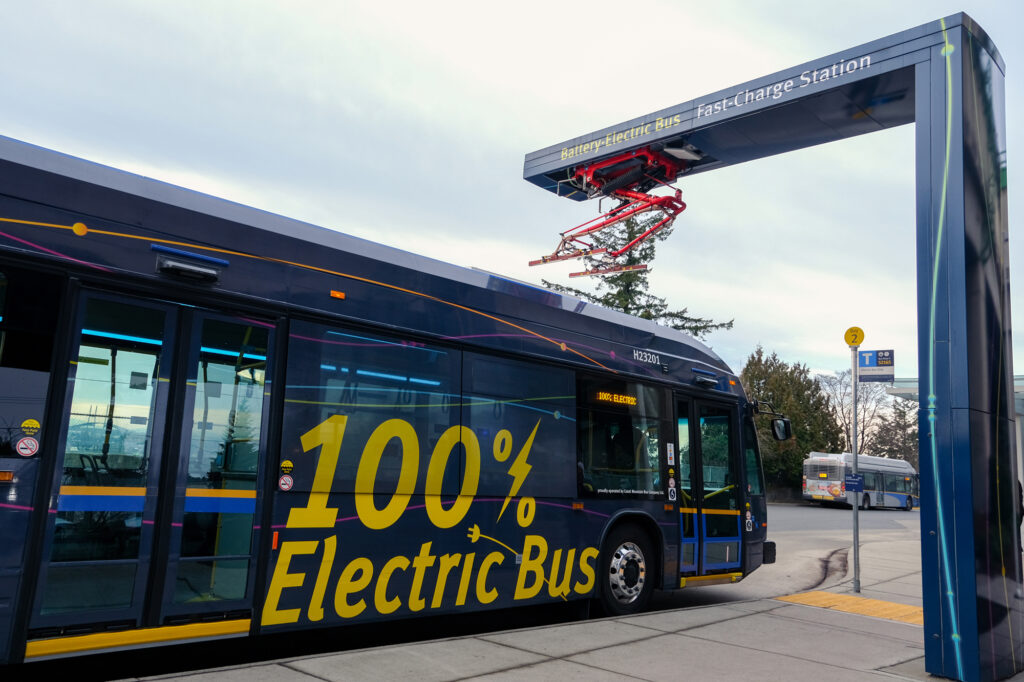
Promoting the rapid adoption of electric buses for a sustainable, zero-emission future.
-
✓
Awareness
Educating the student body on transit's role in reducing traffic congestion and emissions.
Student Voices
How the transit crisis affects everyday commuters at BNSS.
I've watched three full 144 buses pass by me in the rain. It's incredibly frustrating when you just want to get home and study.
My commute used to take 30 minutes, now it takes over an hour. We need more reliable frequency during peak school hours.
I rely entirely on public transit. When the system is strained, it means I'm late for work after school. We need solutions now.
Active Initiatives
We don't just talk about the problems. Here is what we are currently doing to enact real change in our community.
Low-Income Transit (LIT) Pass
Fighting against fare hikes and advocating for a Low-Income Transit pass to ensure equitable access to mobility for everyone in Metro Vancouver.
What's the holdup? (All-Door Boarding)
Pushing for all-door boarding on local bus routes to significantly speed up transit times, reduce delays, and improve the daily commute.
Red Carpet for Bus Lanes on 49th!
Campaigning for dedicated, red-painted bus lanes along 49th Avenue to prioritize transit over single-occupancy vehicles and reduce gridlock.
Support Movement YVR
Our goal is to raise funds to subsidize transit costs for students struggling to afford it, and to support Movement YVR — a nonprofit fighting for better transit to address critical overcrowding.
Learn More & DonateMeet the Team
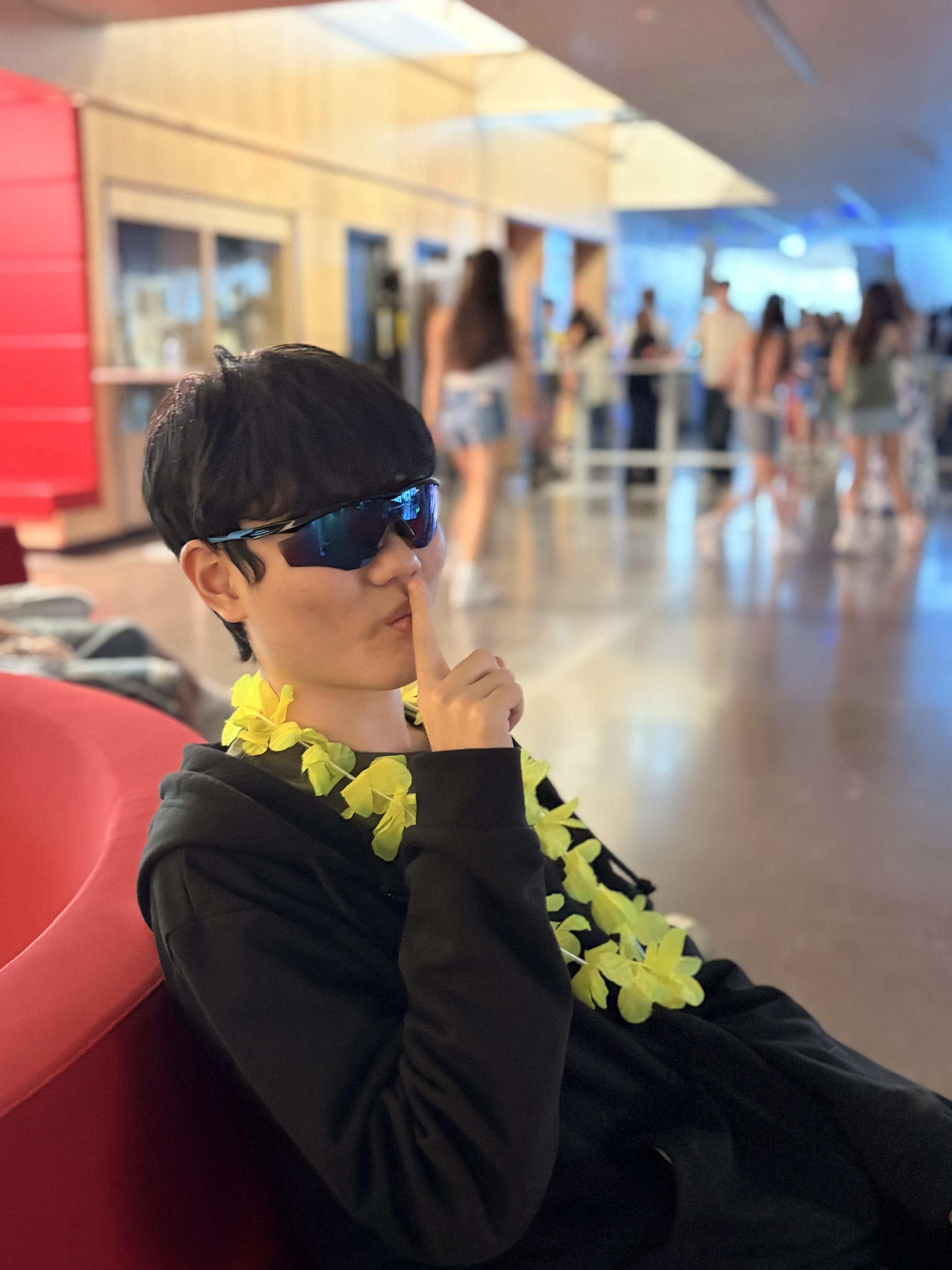
Mario Miao
President
Expert in Metro Vancouver's transit systems, driving real-world relevance to our advocacy.

Aaron Shan
Secondary President, PR
Balances resources and builds crucial relationships with transit networks and organizations.
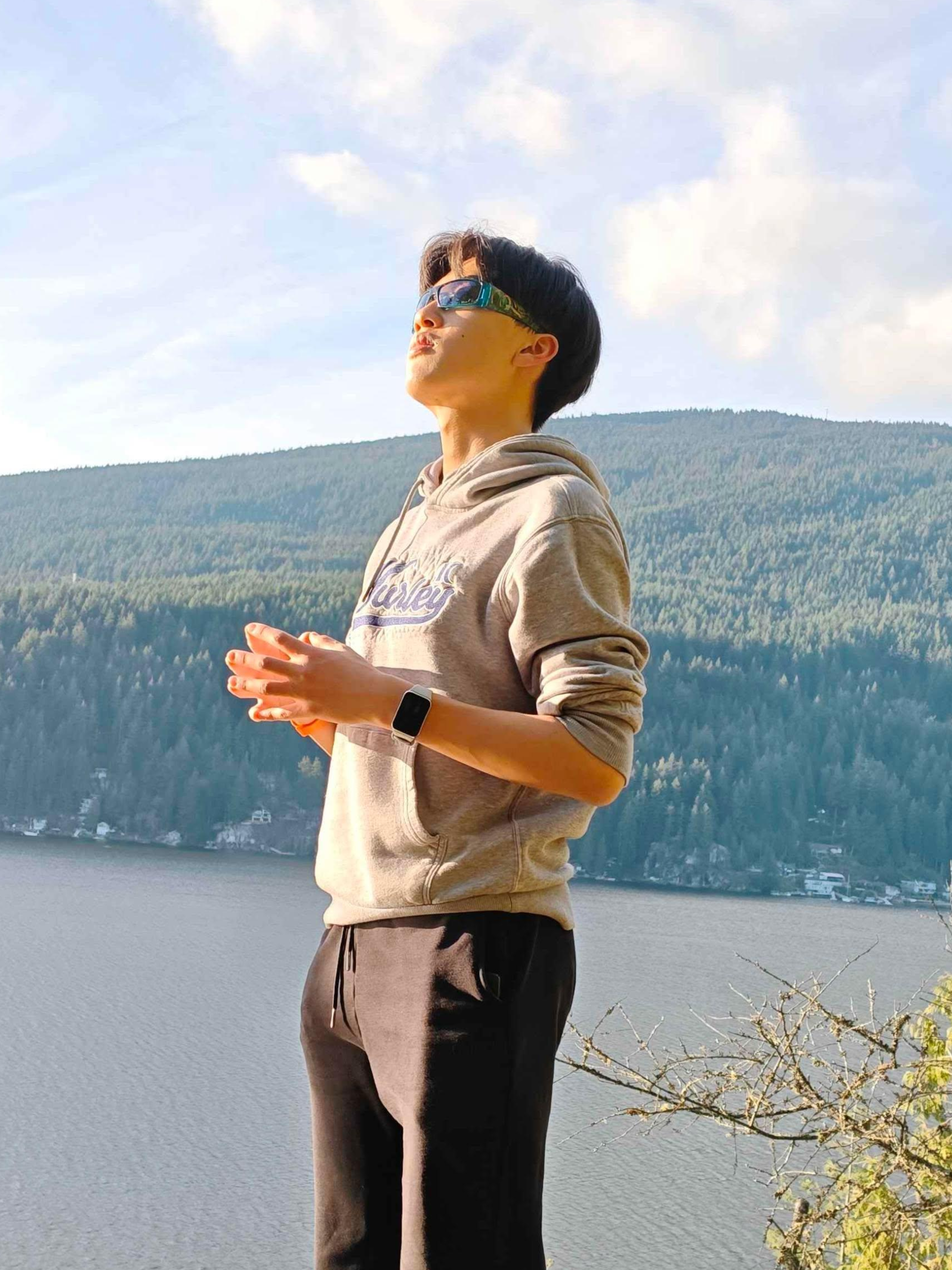
Cayden Pan
Vice President
Coordinating club activities and passionately supporting our sustainable mobility advocacy.